Homicide Investigation Course
Tuition Cost: $250
CLEET Credits: 24
Course Length: 3 Days
Who Killed You? This three-day course begins and ends with the focal point of a homicide or suspicious death case: the victim. Too often, the victim gets lost in the commotion of media attention, community gossip, and politics after the crime is made public. It’s incumbent on the homicide detective to remain laser focused on justice for the victim.
Tailored for law enforcement investigators/detectives, this three-day course helps attendees to develop basic tools, mindset, techniques, strategies, resources, and confidence to proficiently manage homicide and death investigations from the initial crime scene to successful conviction.
Perfect for smaller agencies with small teams of investigators, inexperienced detectives, or the experienced detective looking to brush up your skills. We provide the processes and policies you need to perform with the confidence of seasoned professionals in a metropolitan agency.
While the course was created for homicide investigations, attendees will learn skills that will assist with any type of major criminal investigation.
Learn about our qualifications
Who May Attend
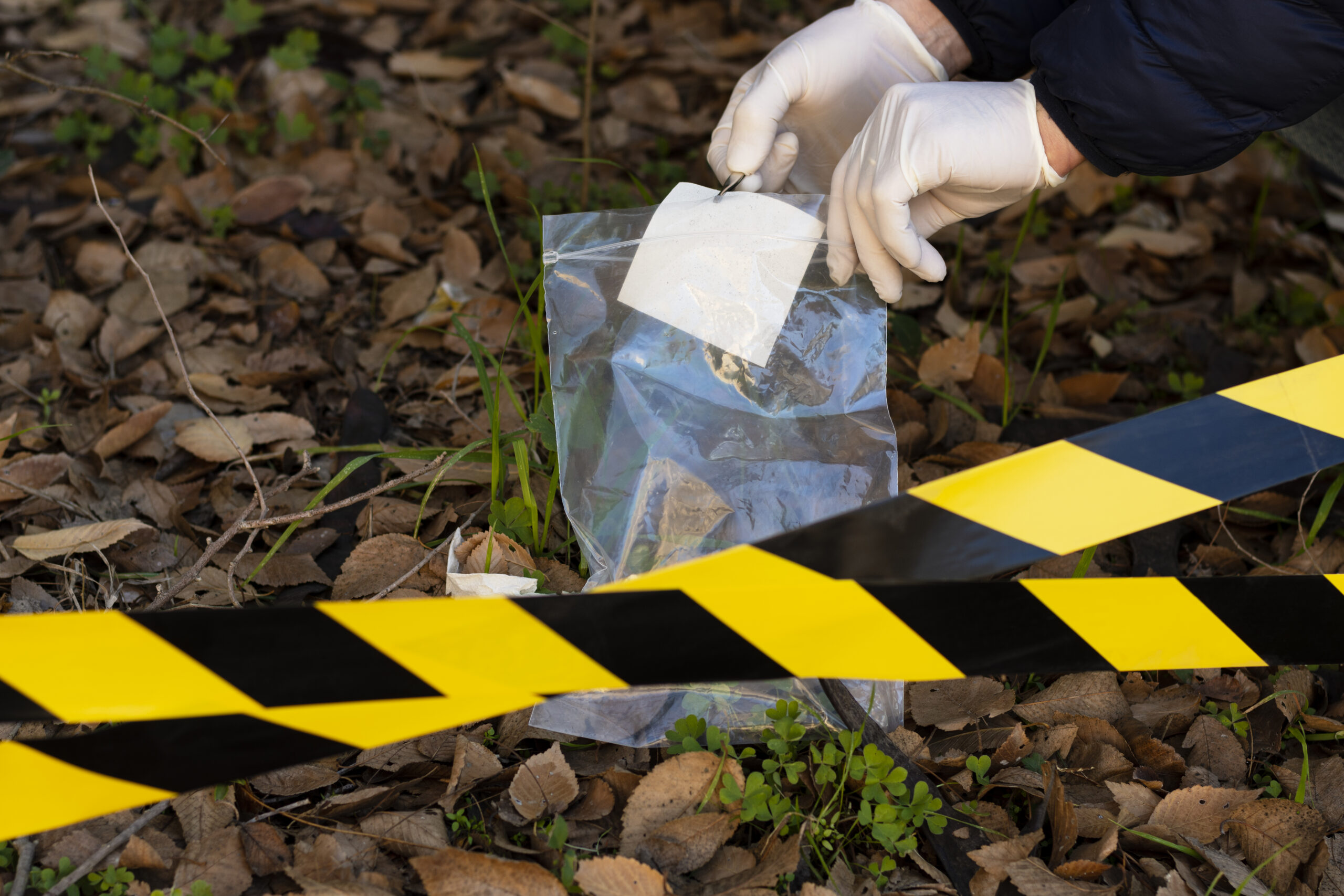
Enrollment is limited to sworn law enforcement officers, (uniform or plain clothes), investigators, supervisors, prosecutors, and other authorized officials who are responsible for investigating homicides (crime scene technicians, medical examiner/coroner investigators, military investigators, or criminal analysts).
What to Expect
Our three-day course includes tips and techniques for crime scene management, including proper reporting, evidence collection and documentation, interview methods, preparing your case for trial, and preparing to testify. We’ll take a look at a variety of real-world homicides.
What is a homicide investigator/detective?
Learn the specific responsibilities and expectations of a homicide investigator – what duties to perform, in what order, and within what timeline.
Crime Scene Management
From dispatch to trial, what policies and procedures guide the homicide investigator’s movements, leadership, and duties to the victim, the prosecutor, the agency, and the media?
Interviews
Learn about the types of interview subjects and how to interview them. Whether the subject is timid, boisterous, narcissistic, forthcoming, or a liar, you’ll learn how to tailor your interview to each personality.
Evidence Collection and Documentation
Attendees learn to document bodily injuries. We also go over crime scene search techniques, evidence collection and packaging, presumptive tests and chemical enhancements. You’ll also learn how to identify, document, collect and process physical, serological, and trace evidence; as well as digital, firearms, and impression evidence.
Preparing for Trail
Trial preparation is where the importance of all you’ve learned becomes crystal clear. Effective crime scene management, report writing, evidence collection, interview success, and protocols and procedures lead to seamless trial preparation and a greater chance for successful prosecution. We’ll show you how it all comes together.
Real-World Case Studies
Not for the squeamish, a close look at case studies will give you a realistic look at the challenges of managing a variety of crime scenes.
Child Homicides
Staged Crime Scenes
Felony Murder
Victimology Solving Murder
Agenda – Who Killed You?
Day 1
- Description/Goals of the course
- What is it to be a Homicide Investigator/Detective
- Crime Scene
- Interviews
Day 2
- Evidence
- Prepare your case for Trial
- Case studies (Not for the squeamish)
- Child homicides (2 cases)
- Staged scenes (3 cases)
Day 3
- Case studies
- Felony murder (3 cases)
- Victimology solving murder cases (2 cases)
- Course recap
- Questions
Enroll in the Course
Course Dates
- October 21-24 – 0800-1700 Wagoner County agencies, Wagoner Library
- January 27-29 – 0800-1700 Oklahoma County Sheriff’s Office, Location TBD
- February 17-19 – 0800-1700, Tulsa County Sheriff’s Office, 6094 East 66th Street North, 0800 to 1700
Testimonials
Assistant District Attorney
Drug Taskforce Director
Danny took lead of the cold case in 2012. With Danny’s efforts, hard work and never-give-up attitude; 2 years later in February, May and June of 2014 he arrested all 3 individuals who were
responsible for the death of Jarret.“